Foods To Favor And Prevent For Swelling: An Insightful Overview On Functional Rheumatology Nourishment


Created By-McCullough Wagner
When it involves taking care of swelling, the right foods can make a considerable distinction in your general wellness. You might be amazed whereby things you must consist of in your dishes and which ones to steer clear of. Comprehending just how to balance these selections is key to developing a diet regimen that sustains your health. Let's discover what works and what doesn't, so https://drive.google.com/drive/folders/1ISjzXAj-C0FA-Fqh0xmMEcKLPflTdc8P?usp=drive_link can start feeling much better soon.
Anti-Inflammatory Foods to Include Into Your Diet plan
Incorporating anti-inflammatory foods into your diet plan can make a significant difference in your overall health and wellness. Start by adding lots of vibrant fruits and vegetables, like berries, leafed eco-friendlies, and wonderful potatoes. These foods are packed with anti-oxidants that help battle swelling.
Include healthy and balanced fats from sources such as olive oil, avocados, and nuts, which are recognized to reduce swelling levels. Fatty fish like salmon and sardines give omega-3 fats, necessary for promoting heart wellness and lessening swelling.
Do not fail to remember to flavor points up with turmeric and ginger, both recognized for their anti-inflammatory properties. By making these straightforward modifications, you'll not just boost your meals but also support your body in dealing with swelling better.
Foods That May Trigger Inflammation
While you may be focusing on adding anti-inflammatory foods to your diet plan, it's equally essential to be knowledgeable about what can activate inflammation.
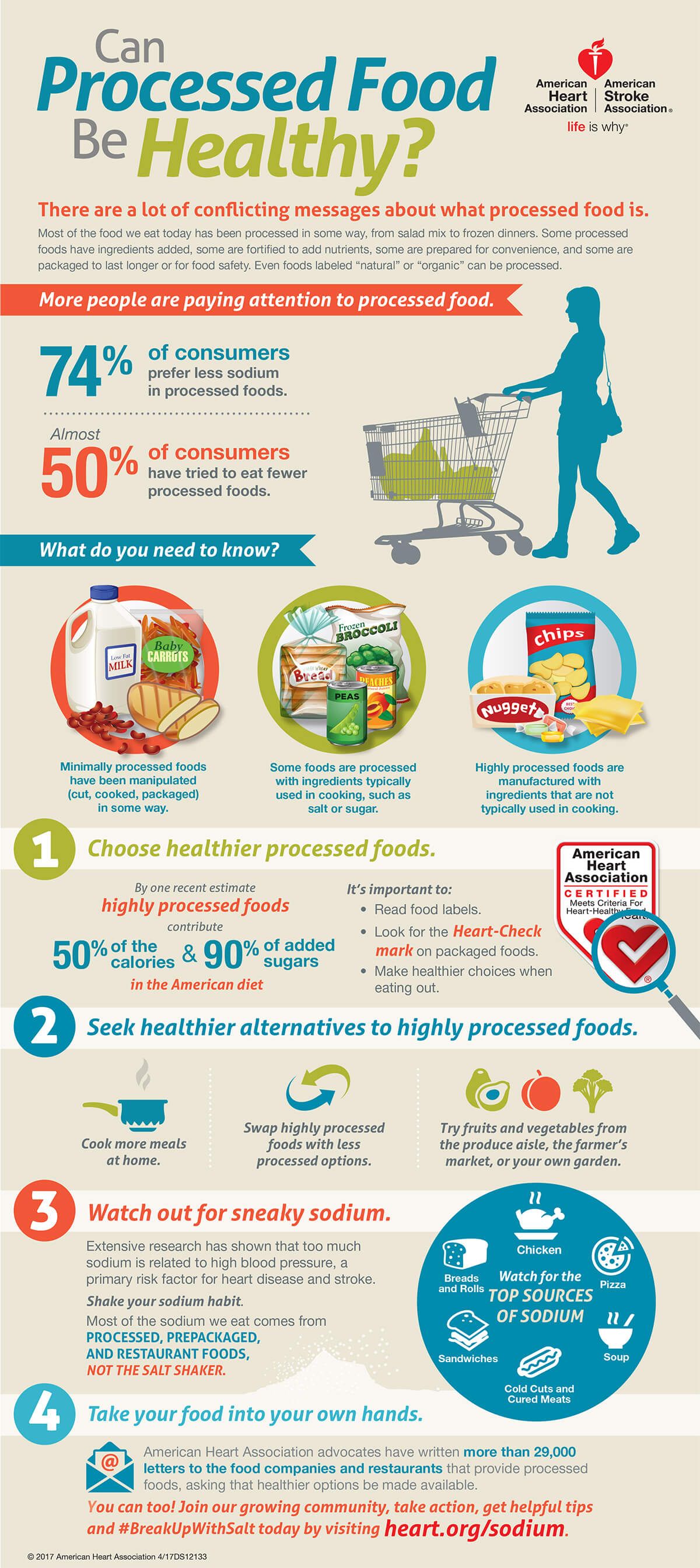
Sugar is a significant perpetrator; it can lead to greater degrees of inflammatory markers in your body. Refined carbohydrates, found in white bread and breads, can additionally spike your blood sugar level and advertise swelling.
In addition, trans fats, frequently existing in deep-fried foods and refined treats, can aggravate inflammatory feedbacks. Be cautious with extreme alcohol intake, as it can disrupt digestive tract health and increase swelling.
Lastly, highly refined meats, like hotdogs and bacon, can contribute to inflammation due to their high levels of chemicals. Recognizing these triggers will certainly help you make wiser dietary options.
Tips for Developing an Inflammation-Friendly Dish Strategy
Producing an inflammation-friendly dish strategy involves choosing foods that sustain your body's recovery processes while avoiding those that can cause inflammation.
Start by loading your plate with vivid fruits and vegetables, which are abundant in antioxidants. Include whole grains like quinoa and wild rice for fiber and nutrients. Select healthy fats from resources like olive oil, avocados, and nuts.
Don't ignore lean proteins, such as fish and vegetables. Goal to minimize processed foods, sugar, and trans fats, as these can aggravate inflammation.
Dish prepping can help you stay on track-- strategy your dishes for the week to stay clear of last-minute undesirable selections.
Finally, stay hydrated with just click the following post of water and organic teas to support your general wellness.
Conclusion
Incorporating anti-inflammatory foods right into your diet plan can make a significant difference in managing swelling. By focusing on colorful fruits, healthy and balanced fats, and omega-3-rich fish, you can nurture your body and promote general health. At the same time, it's important to steer clear of inflammatory triggers like sugar and processed meats. With a little preparation, you can create a balanced dish strategy that supports your wellness and assists reduce signs and symptoms of inflammatory conditions. Begin making these modifications today!